
The Gut Symptoms Nobody Talks About
For years, I dealt with bloating and constipation I never talked about. Not with colleagues. Not with friends. I was the doctor. I was supposed to have this figured out
I didn't.
I want to start there, because I think most people walk around quietly wondering if what's happening in their gut is normal, and nobody ever gives them a straight answer. So here it is, in plain terms: what a healthy gut actually looks like, what constipation actually is, why your gut drives your weight and your immune system, and what to do about it, without a 3,000-word wander through the microbiome first.
Let's get into it.
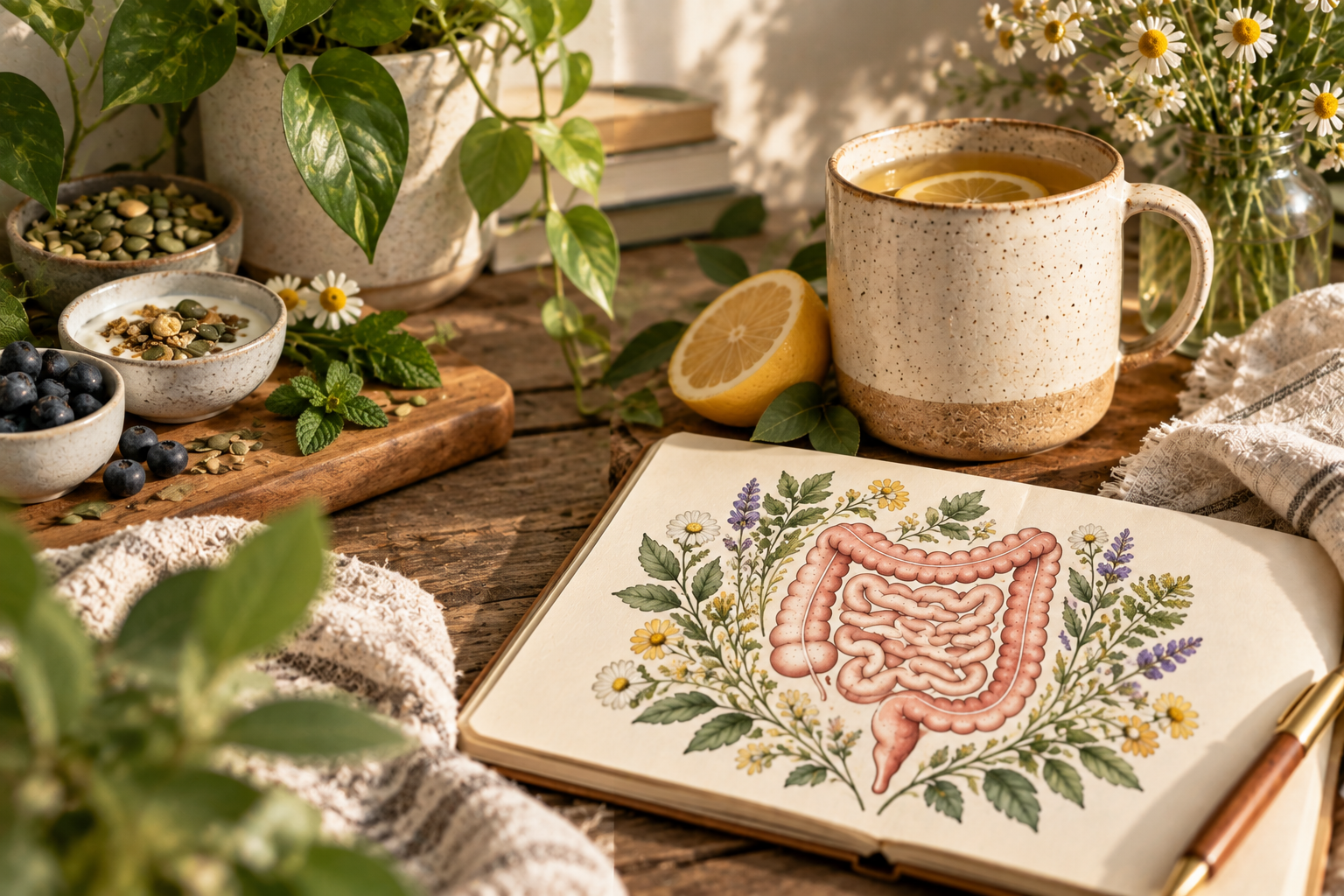
Your gut has a surprisingly large vocabulary. Bloating is only one of its words.
What Should Your Bowel Movements Actually Look Like?
Nobody teaches you this. Not in school, not at your annual physical, not anywhere. So let's fix that right now.
Frequency: Anywhere from three times a day to three times a week is technically "normal." But normal for you should be close to daily, ideally once or twice a day, without straining.
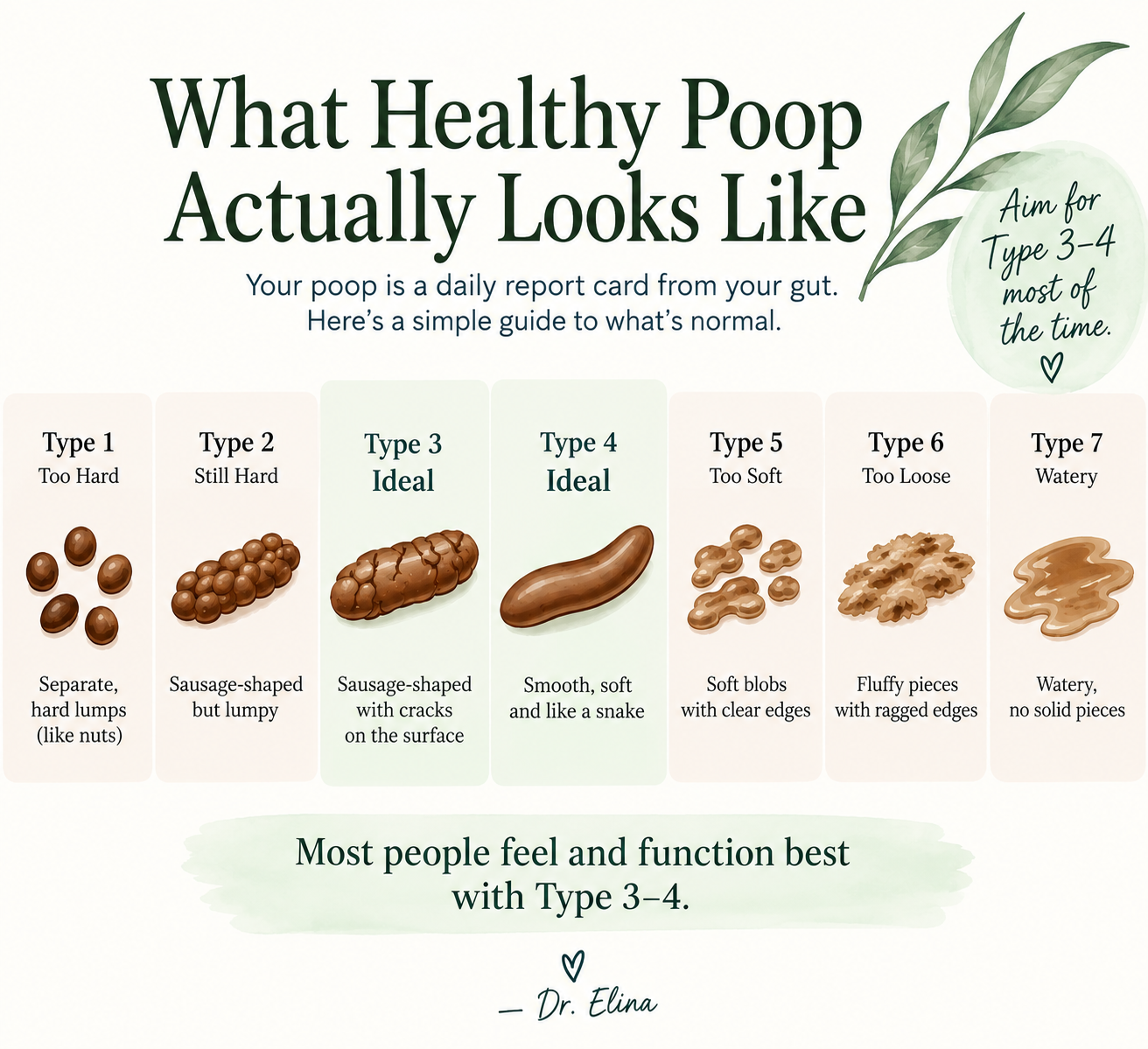
Form: This is the part nobody talks about at dinner, but it matters more than almost anything else in this article. Doctors use something called the Bristol Stool Chart to describe this, and I'll give you the plain-English version:
Too hard, in separate hard lumps ("rabbit pellets"), or a hard lump-shaped log with cracks on the surface → constipated.
A smooth, soft, sausage-shaped log that passes easily, with little to no straining → healthy. This is the goal.
Soft blobs with clear-cut edges, or mushy with ragged edges → leaning loose, often diet or stress related.
Watery, no solid pieces → diarrhea.
Effort: A healthy bowel movement takes under a minute or two, requires no significant straining, and doesn't leave you feeling like you still need to go.
Length: Okay, one more, and sorry to be graphic here, but this is exactly the kind of thing nobody tells you at your annual physical, and I think that's the problem. I once worked with a general surgeon who told me a healthy, well-formed bowel movement should be roughly the length of a banana, somewhere around 6 to 8 inches, in one or two pieces, not a dozen fragments. He said it so matter-of-factly, like he was describing a lab value. I laughed, and then I realized: nobody had ever told me that before either.
I'm not saying measure it. I'm saying if what you're passing is consistently small, hard, fragmented pellets rather than one longer, smooth piece, that's useful information, not something to feel embarrassed about. This is medicine. It's also just part of being a human body. Your doctor has heard far stranger things than this, I promise.
If you're regularly straining, going less than three times a week, passing hard pellet-like stool, or feeling like you never fully empty, that's not "just how your body is." That's constipation, and it's treatable.
So What Actually Is Constipation?
Most people think constipation just means "I haven't gone in a while." Medically, it's more specific, and I think the specificity actually helps.
Constipation means two or more of the following, most of the time, for at least three months:
Fewer than three bowel movements a week
Straining during more than a quarter of your bowel movements
Hard or lumpy stool more than a quarter of the time
A sense of incomplete emptying
Needing to use your fingers or manual maneuvers to help things along
I share this not to diagnose you from an article, but because I remember not knowing where the line was. I thought "everyone's just a little irregular." Some people are. But if you're checking two or more of these boxes regularly, that's your body telling you something, not just a personality trait of your digestion.
Why Your Gut Runs Your Immune System
Here's the fact that changes how people think about this: roughly 70-80% of your immune system lives in your gut.
Your gut lining is lined with immune tissue that's constantly sampling what comes through, deciding what's food, what's a threat, and what needs a response. A healthy, diverse gut microbiome trains that immune tissue to respond appropriately. An unhealthy one trains it to overreact, under-react, or stay in a constant low simmer of inflammation.
This is why chronic constipation isn't just uncomfortable. When stool sits too long, it changes the environment your gut bacteria live in, shifts that balance, and can quietly feed inflammation throughout your body, not just your digestive tract.
This is also why you'll hear me, and increasingly the research, connect gut health to things that seem completely unrelated: skin flare-ups, joint pain, frequent colds, and yes, your mood. It's not a stretch. It's the same immune tissue, responding to the same gut environment.

Make it stand out
Whatever it is, the way you tell your story online can make all the difference.
The Gut-Obesity Connection Nobody Explains Well
This is the part that surprises most people: your gut bacteria influence your weight in ways that have nothing to do with willpower.
Here's the short version of a complicated relationship:
Your microbiome affects how many calories you extract from food. Some bacterial patterns extract more energy from the same meal than others. Two people can eat identically and process it differently, in part because of what's living in their gut.
Gut inflammation drives insulin resistance. When your gut lining is irritated and inflamed, it can allow bacterial particles into your bloodstream that trigger low-grade inflammation, and that inflammation is directly linked to insulin resistance, the mechanism behind stubborn weight gain and difficulty losing fat, especially around the midsection.
Your gut talks to your appetite hormones. Ghrelin and leptin, the hormones that tell you you're hungry or full, are influenced by your gut bacteria and the byproducts they produce. An imbalanced gut can blunt your "I'm full" signal long before your stomach is actually full.
Constipation itself contributes. Stool sitting in the colon isn't neutral. It changes the bacterial environment, increases inflammation, and for many patients, correlates with harder weight loss, not just physical discomfort.
I tell my patients this because I want them to stop blaming themselves for something that is, in real part, biological. That doesn't mean nutrition and movement don't matter; they matter enormously. It means the gut is a piece of the weight puzzle that deserves real attention, not an afterthought.
A note on GLP-1 medications. I see a lot of patients on Ozempic, Wegovy, Mounjaro, and similar medications, and I think they're a genuinely useful tool for the right person. But they work in part by slowing down how quickly your stomach empties, and that same mechanism is exactly why constipation is one of the most common side effects patients don't expect. If your gut motility is already slow, or you were already borderline constipated before starting, a GLP-1 can turn a minor inconvenience into a real problem, and a sluggish, backed-up gut sitting on top of an already-inflamed gut lining doesn't help the inflammation we just talked about. If you're on one of these medications, staying disciplined about hydration and movement isn't optional. It's part of doing the medication safely, not just an extra credit habit.
The Gut-Brain Connection: Why Your Stomach Reacts Before You Do
Your gut produces roughly 90-95% of your body's serotonin. Not your brain. Your gut.
Your gut and brain are connected by the vagus nerve, one of the fastest, most direct communication highways in your body. This is why anxiety can hit you as a stomachache before you've even consciously registered you're anxious, and why chronic gut inflammation has been linked to anxiety and low mood independent of what else is going on in someone's life.
I lived this. Years of bloating didn't just make me uncomfortable. It made me foggier, more irritable, and more anxious than I understood at the time. I didn't connect the dots until I started treating my gut directly, and my mood improved alongside my digestion. That wasn't a coincidence.
What I See, When There's Time to Look
Most of my patients come to me for their mental health: anxiety that won't quiet down, depression that isn't lifting, a mood that feels flat for no clear reason.
I'll be honest about something most doctors won't say out loud: in a typical visit, I don't have the luxury of time to dig into someone's gut health the way I'd like to. Appointments are short, the list of things to cover is long, and the reality of practicing medicine today doesn't always allow for the kind of conversation this deserves. So I want to be upfront, in case you're reading this as one of my patients: this isn't something we talk about at every visit, even though I wish we could.
But with the patients where I have had the time, the pattern has been consistent enough that I can't ignore it. Bloating they've had "forever." Constipation they've stopped mentioning because it feels unrelated. And when we've been able to address the gut alongside everything else, something shifts that goes beyond digestion. Energy is steadier. Mood has more resilience. Sometimes anxiety responds better to the same treatment that wasn't working before.
I don't think that's a coincidence. Here's the mechanism: if someone's gut lining is inflamed, if their microbiome is imbalanced, if they're chronically constipated, their body is in a low-grade state of physical stress whether they feel it that way or not. That constant signal travels straight up the vagus nerve to the brain. You can layer on all the therapy, all the right medication, all the right mindset work, and still be fighting an uphill battle if the gut is quietly working against you the entire time.
This is part of why I wanted to write this down. Not every patient and I will get to have this conversation in the room, but you deserve to have the information regardless.
What Actually Helped Me (And What I Tell Patients)
I'm not going to give you twenty things to do at once. That's how people quit before they start. Here's what actually moves the needle, in order of impact.
Real, whole food over processed food. This matters more than any single nutrient you can name. A diet built around vegetables, protein, and whole foods feeds a healthier microbiome than a diet built around packaged, processed ingredients, regardless of what's on the label.
Water, consistently, not just when you remember. Dehydration is one of the most common, most overlooked contributors to constipation. Most people simply aren't drinking enough throughout the day. A quick note on two things I get asked about constantly: lemon water and apple cider vinegar. Honestly, the evidence here is thin. There's no strong research showing either one meaningfully changes your gut health or digestion on its own. What I think is actually happening is simpler: adding lemon or vinegar makes plain water more appealing to people who otherwise don't drink enough of it, and a little acidity before a meal can help some people's digestion get started. If it helps you drink more water, keep doing it. Just don't expect it to be doing something magical on its own.Caffeine is the other piece people underestimate. Coffee has a mild diuretic effect, meaning it can pull water out of you faster than it puts water in, and for a lot of people it also speeds up gut motility, which is part of why coffee "gets things moving." A reasonable rule of thumb I give patients is an extra cup of water for every cup of coffee you drink, so if you're having two or three cups a day, you should be adding two or three extra cups of water on top of your baseline, not instead of it.
Move daily, even briefly. Walking stimulates gut motility directly. A ten-minute walk after a meal does more for digestion than people expect.
Don't ignore the urge. Delaying bowel movements repeatedly trains your body to ignore the signal over time. When you feel it, go.
Address stress directly. Given the vagus nerve connection above, this isn't optional if gut symptoms are part of your picture. Even two minutes of slow breathing before meals measurably improves digestion.
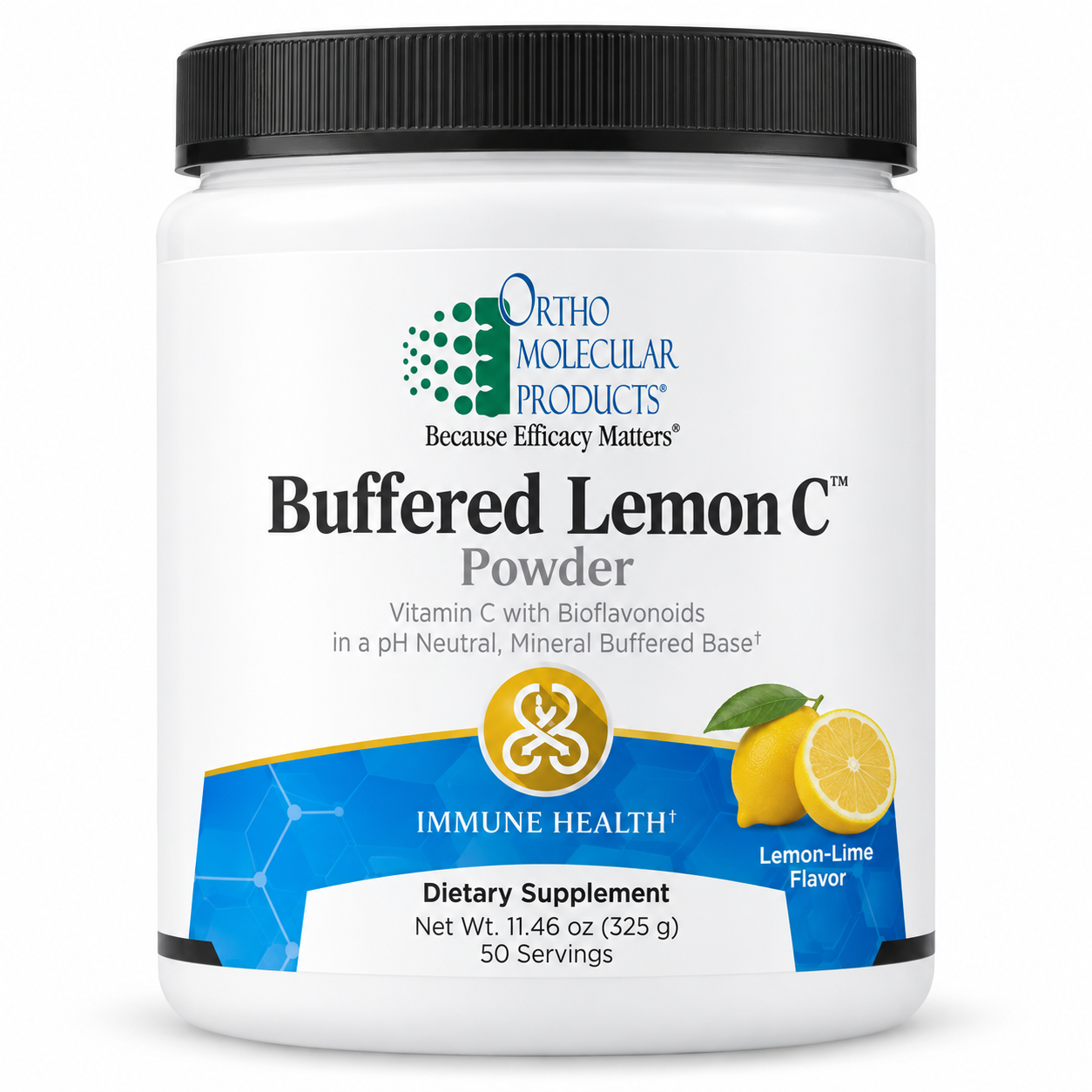
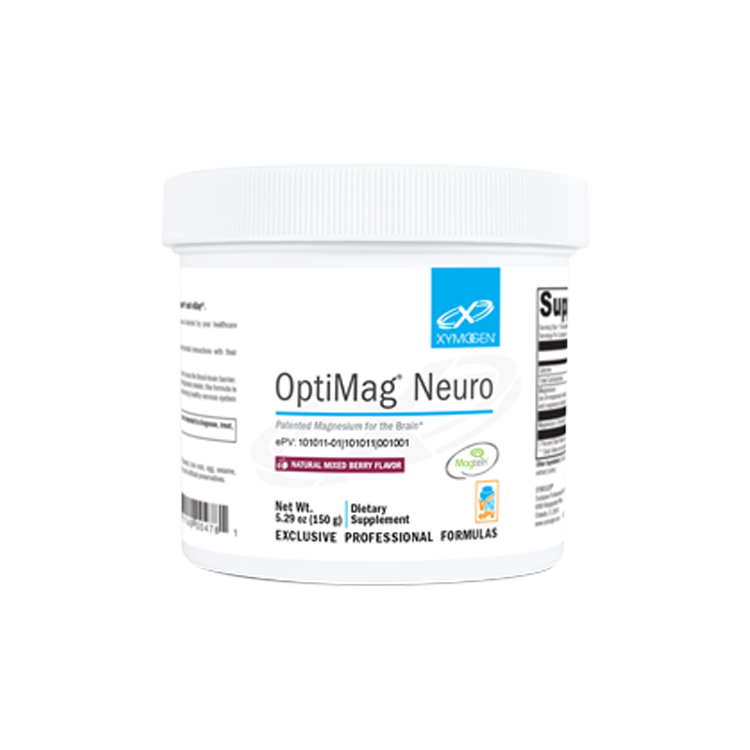
Consider targeted support when diet alone isn't enough. Personally, I use magnesium and vitamin C, and I recommend both to patients when it makes sense. Magnesium helps draw water into the intestines and relax the gut muscle, which for a lot of people translates directly into more regular, easier-to-pass stool. Vitamin C, at the right dose, has a similar softening effect on stool and supports the gut lining and immune tissue we talked about earlier. Neither is a magic fix, and neither replaces the habits above, but they're the two things that have made a real, noticeable difference for me personally.
A Word on Supplements, Since I'm a Physician Recommending Them
I'm a big believer in the right supplements, used well. Food and lifestyle are the foundation, but they don't always close every gap, and I think it does patients a disservice to pretend supplements are optional extras rather than real tools.
As we age, our needs change. Our bodies absorb nutrients less efficiently, our hormones shift, and if there's an underlying issue at play, chronic inflammation, a leaky gut, an imbalanced microbiome, our baseline needs go up even further on top of that. And honestly, in the world most of us actually live in, with the way our food is grown, processed, and depleted of nutrients compared to even a generation ago, it's not realistic to eat your way to covering all of that through diet alone. Supplementation isn't a shortcut. For most people, it's a necessity.
That said, this isn't one-size-fits-all, and I want to be honest about that too. What you actually need depends on your age, your labs, your gut health, and what's going on underneath the surface, and that's not something an article can determine for you. Seeing your own physician for a plan customized to you matters, especially if you suspect something like leaky gut or another underlying issue is at play.
Here's my honest position on how I choose what I use and recommend: the supplement industry as a whole is unregulated, and that's exactly why I'm careful about what I actually put my name behind. I don't recommend something because it's trending or because it's sitting on a shelf. I look at the research behind the specific ingredient, and I look at the company behind the specific product, things like third-party testing, sourcing, and manufacturing standards, before I'll use something myself or recommend it to a patient. What I'm sharing below are things I personally use and have vetted to that standard, meant as a useful starting point to bring to your own doctor, not a substitute for that conversation.
FAQs
-
Anywhere from three times a day to three times a week falls within a broad medical "normal," but daily, formed, easy-to-pass stool is the healthiest and most common pattern. If you're consistently outside that range, or straining, it's worth addressing.
-
Two or more of the following, most of the time, for at least three months: fewer than three bowel movements weekly, straining more than a quarter of the time, hard or lumpy stool, a sense of incomplete emptying, or needing manual help to pass stool.
-
Yes. Your gut microbiome influences how many calories you absorb, how inflamed your body is, how insulin-resistant you become, and how your appetite hormones function. It's one real piece of a larger puzzle, not the whole picture, but it's often ignored entirely.
-
Because roughly 70-80% of your immune tissue is located in your gut lining, constantly interacting with what you eat and the bacteria living there. A healthy gut environment trains a well-regulated immune response; an unhealthy one contributes to chronic, low-grade inflammation.
-
Occasional bloating after a large or unusual meal is normal. Frequent bloating, especially alongside constipation, pain, or changes in bowel habits, is worth addressing rather than living with indefinitely.
-
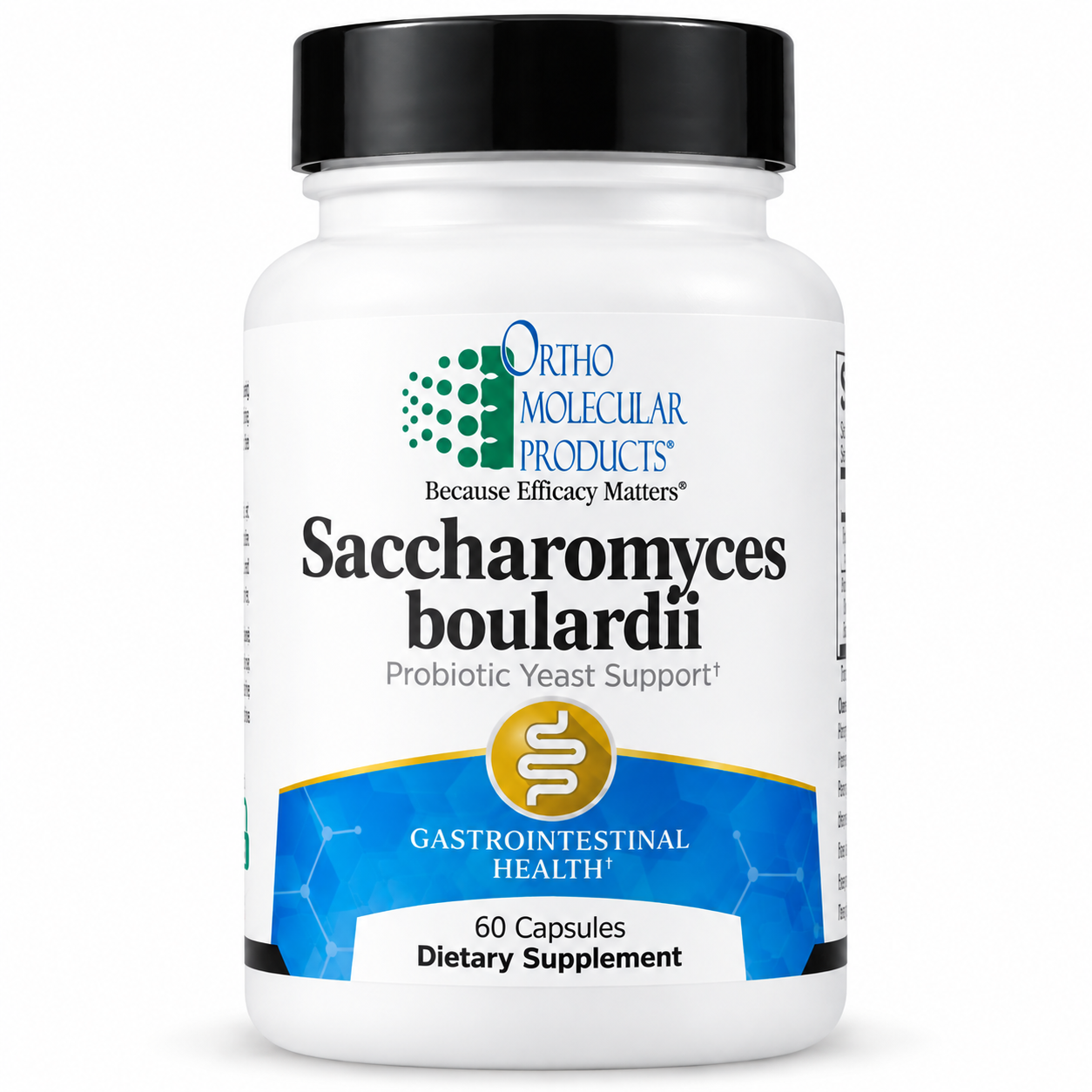
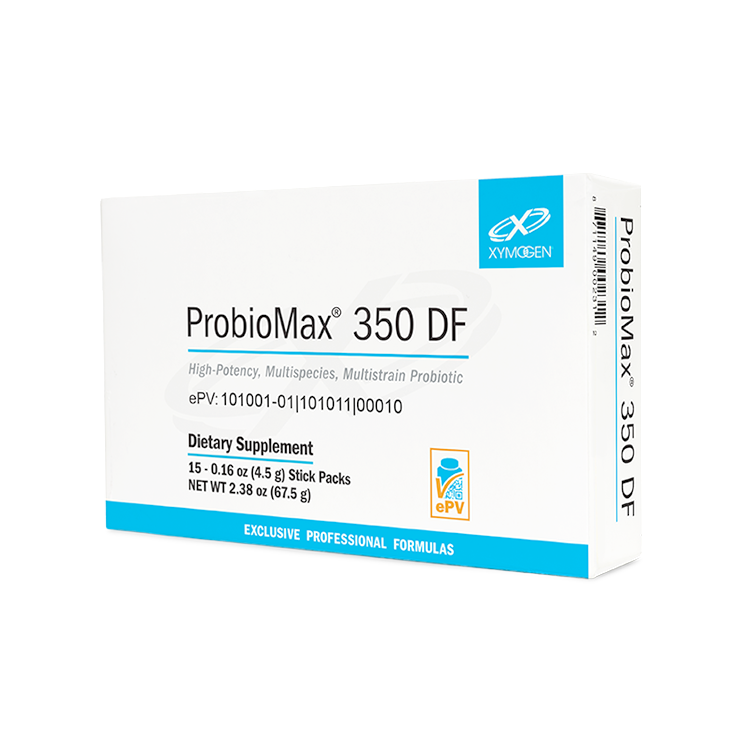
For many people, yes, a good probiotic can genuinely help, especially after antibiotics, during a flare, or when you're dealing with bloating and irregularity that diet alone hasn't fully resolved. Diet, water, movement, and consistency are still the foundation, but a quality, well-researched probiotic strain can meaningfully support that foundation rather than just filling a gap. It's worth discussing with your physician which strain makes sense for you.
-
They can. These medications work partly by slowing down how quickly your stomach empties, and that same mechanism is why constipation is one of the most common side effects. If you're on one, staying consistent with hydration and movement isn't optional, it's part of using the medication safely.
-
"Leaky gut" refers to increased permeability in the gut lining, allowing particles through that normally wouldn't cross into the bloodstream, which can drive low-grade, chronic inflammation. It's an active area of research and isn't always straightforward to diagnose, but for patients with unexplained fatigue, skin issues, or inflammation, it's worth discussing with your physician rather than dismissing.
-
Yes. Nutrient absorption becomes less efficient with age, hormones shift, and underlying issues like chronic inflammation or a leaky gut can raise your needs further. What's actually right for you depends on your labs and history, which is best worked out with your own physician rather than a general guide.
Final Thoughts
I spent years assuming bloating and constipation were just my normal. They weren't, and I wish someone had told me sooner what a healthy gut was actually supposed to feel like.
You don't need to overhaul everything today. Swap one processed meal for a whole-food one. Drink more water than you think you need. Take a walk afterward. Pay attention to what your body's been trying to tell you.
Your gut isn't separate from the rest of your health. It's driving more of it than you've been told.
— Dr. Elina
My Favorite Supplements for Gut Health
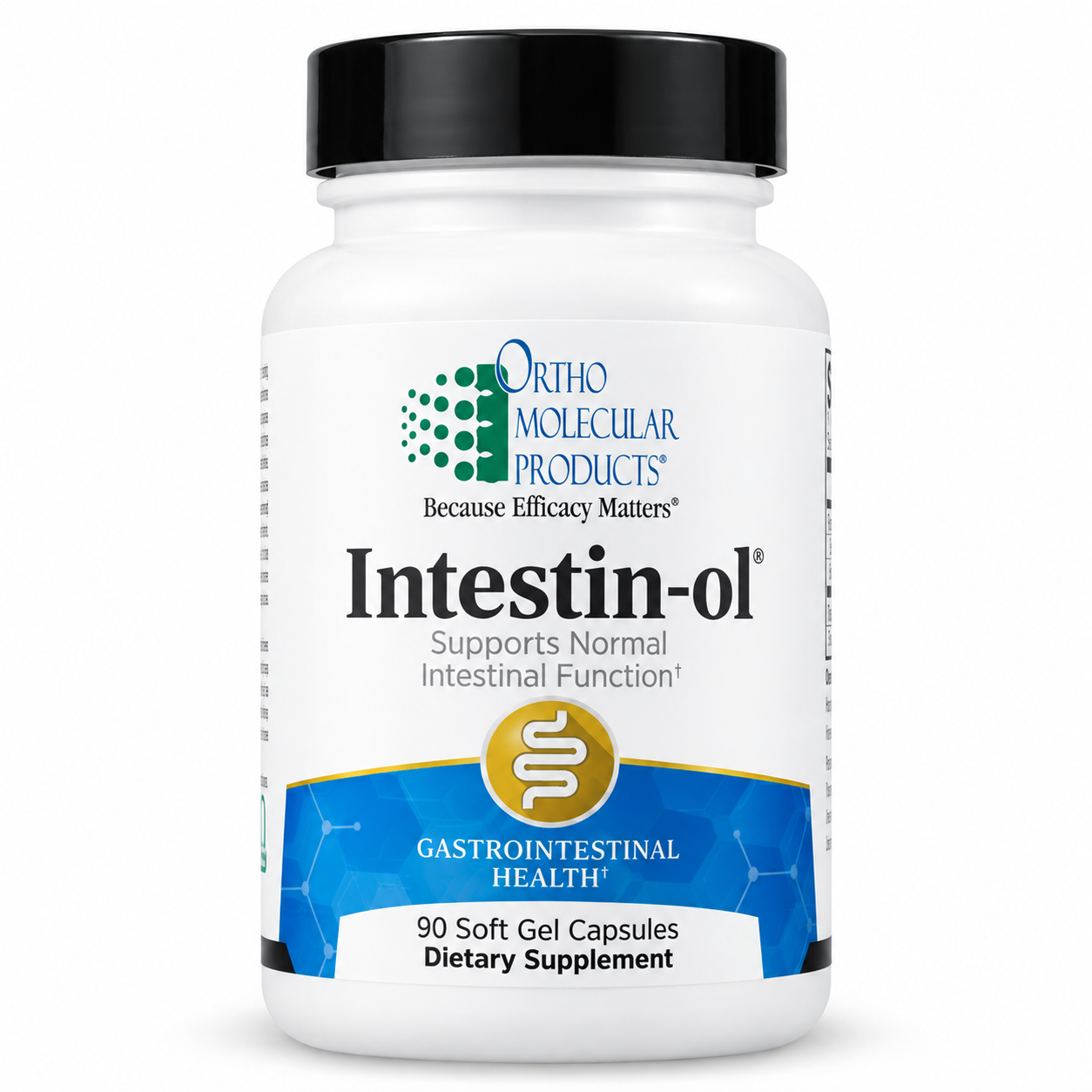
Below are a few supplements I personally take and recommend, not because they're the same ones mentioned earlier, but because they've genuinely worked for me and for many patients and people I know. As always, bring them to your own doctor to see what makes sense for you.
Dr. Elina’s Favorites
About Dr. Elina Health
Dr. Elina Health is a physician-led health education site built around the belief that patients deserve more information than a rushed appointment allows. The site features evidence-informed articles on energy, hormonal health, gut health, stress, sleep, brain function, and immunity, alongside a curated supplement collection of products Dr. Elina personally uses and recommends. The goal of Dr. Elina Health is to give people a trusted, medically grounded resource they can use, and recommendations for supplements that are actually helpful.


About Dr. Elina Cherynak
Dr. Elina Chernyak, DO, is a board-certified physician practicing in Clarkston, Washington, with specializations in family medicine, addiction medicine, and obesity medicine.
Dr. Elina approaches medicine through an integrative lens. She looks at the whole person: hormones, gut health, nutrition, lifestyle, and the underlying contributors.

Provides diamine oxidase (DAO), an enzyme that helps break down histamine from foods in the digestive tract. It is designed to support healthy histamine metabolism and digestive comfort, particularly around meals containing higher-histamine foods.
60 capsules