
Why Do We Take Better Care of Our Teeth Than Our Brains?
Your brain doesn't just keep you alive—it allows you to experience your life. Every memory, every relationship, every dream, every laugh begins there.
Yet many of us spend more time caring for our teeth than the organ that makes all of those moments possible.
Don't get me wrong—I have nothing against dentists. In fact, I hope you keep brushing, flossing, and showing up for your cleanings. But while a cavity can often be filled and a missing tooth replaced, your brain deserves at least the same level of daily attention.
What if taking care of your brain became just as routine?
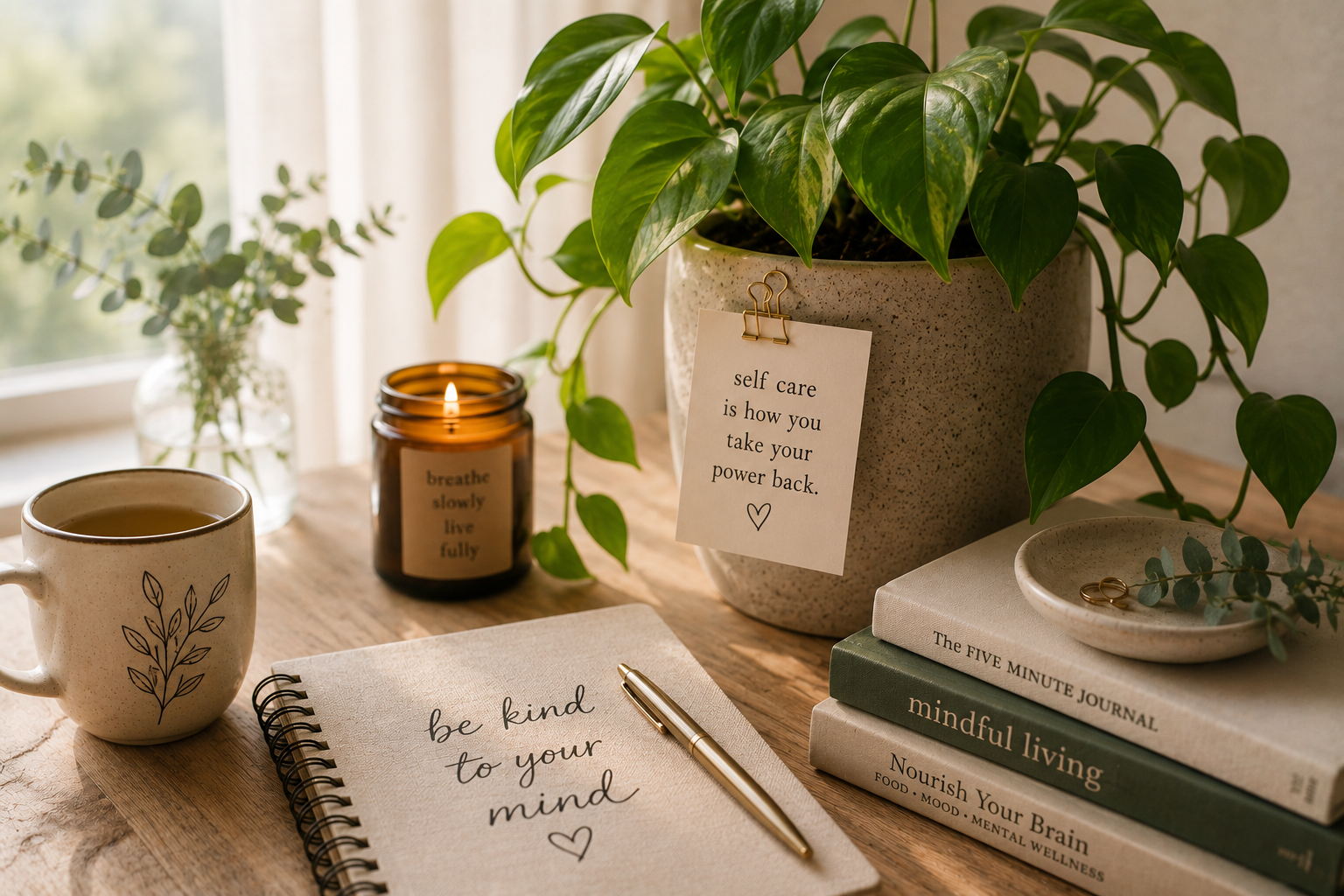
We all understand the value of investing.
A little money set aside today can grow into something meaningful tomorrow. Ignore it long enough, and eventually the bill comes due—with interest.
Our brains work much the same way.
Every night of good sleep. Every walk. Every nutritious meal. Every moment spent learning something new, connecting with someone you love, or simply taking a few minutes to quiet your mind is an investment. None of these things seem dramatic on their own, but together they compound over time.
So does neglect.
As a physician, I've learned that people rarely wake up one morning with poor brain health. More often, it's the result of hundreds of small choices—or missed opportunities—that quietly add up over the years. The encouraging news is that the opposite is also true. Small, consistent habits can change the trajectory of your health in remarkable ways.
Health is one of the few investments you'll never regret making. Once it begins to slip away, getting it back is often far more difficult, more expensive, and sometimes impossible. That's why I'd rather help you protect your brain today than try to repair the damage tomorrow.
That's the philosophy behind The Dr. Elina Guide to Better Brain Health.
My goal isn't to overwhelm you or promise a magic solution. It's to help you understand what truly supports your brain, separate science from misinformation, and share practical, evidence-based habits that can help you think more clearly, feel better, and fully experience the life you've worked so hard to build.
Because if just a few minutes each day could help protect your memories, your relationships, your independence, and your joy...why wouldn't you make that investment?
YOU HAVE MORE CONTROL THAN YOU THINK
Small consistent choices today can have a lasting change tomorrow.
Whatever it is, the way you tell your story online can make all the difference.
Why Your Brain Deserves Your Attention
For years, we believed our brains were mostly shaped by the genes we inherited. Today, research offers a much more hopeful message. Epigenetics is the science showing that while we can't change our genes, our daily habits can influence how they work. Neuroplasticity is the brain's remarkable ability to adapt, build new connections, and continue changing throughout life.
That's empowering. Brain health isn't black and white, and it isn't about perfection. It's about making healthy choices more days than not and giving yourself grace when life gets busy.
Over time, those choices become habits. Just as you wouldn't leave the house without brushing your teeth, taking a walk, choosing nourishing foods, prioritizing sleep, or taking your supplements can simply become part of your daily routine.
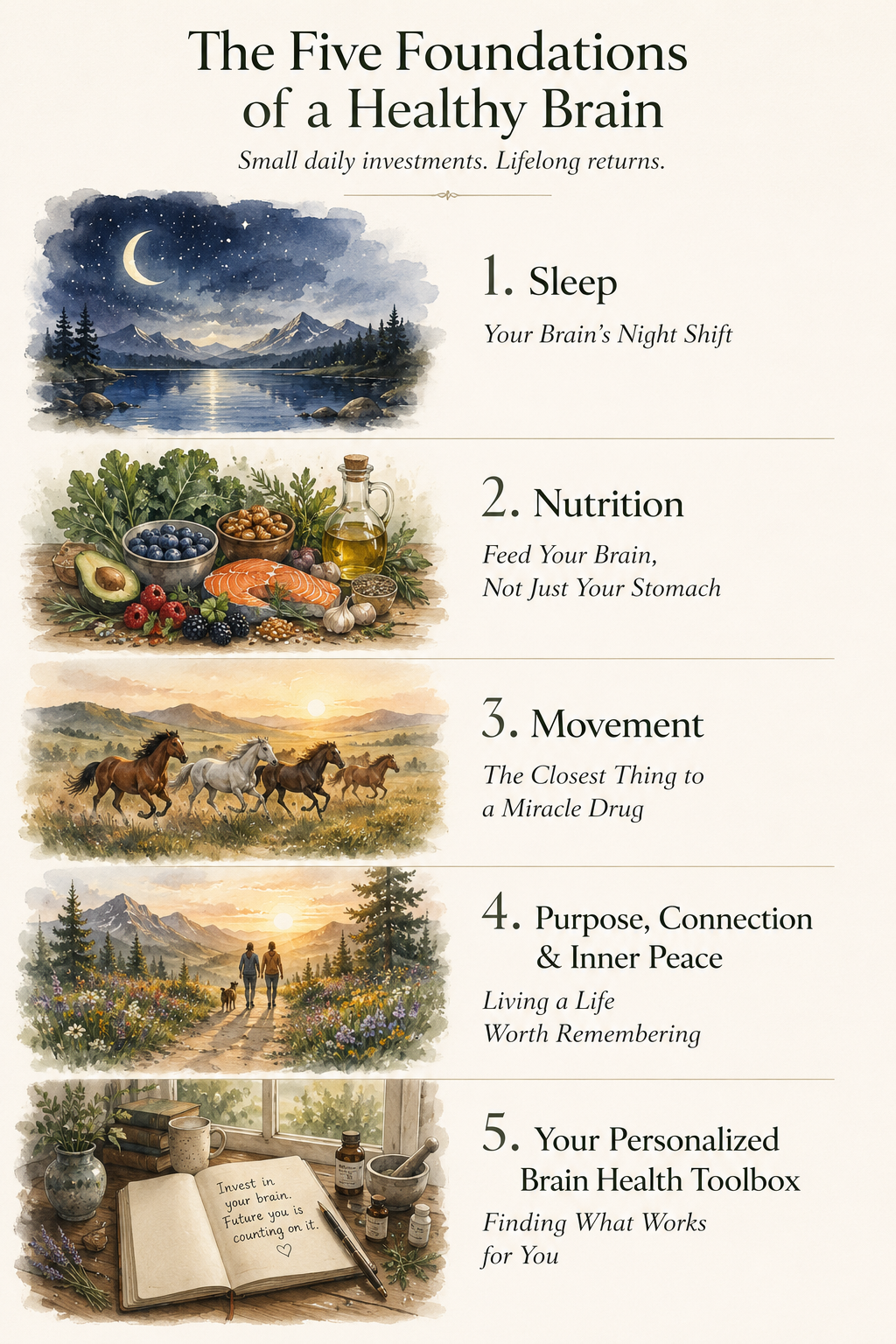
Small choices, repeated consistently, have the power to shape your future brain. That's why I encourage my patients to focus on five simple foundations of lifelong brain health.
1. Sleep
Your Brain's Night Shift
Sleep isn't wasted time—it's one of the most productive parts of your day. While you're resting, your brain is busy repairing, restoring, strengthening memories, supporting your immune system, balancing hormones, and quite literally taking out the trash. It's one of the few housekeeping jobs your brain insists on doing while you stay out of the way.
One of the most common things I hear is, "I only sleep five or six hours, but I'm used to it." The truth is, getting used to too little sleep doesn't mean your brain has adapted—it simply means you've adapted to feeling less than your best. Most adults need about 7 to 9 hours of quality sleep each night for their brain and body to function at their best.
Sleep is also one of nature's best anti-aging treatments. It's during sleep that your body repairs tissues, strengthens the immune system, and restores both the brain and body for the day ahead. Think of your brain like a city: much of the cleanup, maintenance, and repair happens overnight while most of the world is asleep. Skip enough nights of quality sleep, and eventually those maintenance jobs begin to fall behind.
The good news is that better sleep often starts with simple habits—keeping a consistent bedtime, getting morning sunlight, limiting alcohol, and creating a calming evening routine. Your future brain will thank you for every good night's sleep.
2. Nutrition
Feed Your Brain, Not Just Your Stomach
Every bite you take sends a message to your body. Your brain may make up only about 2% of your body weight, but it uses roughly 20% of your body's energy. The foods you choose influence inflammation, mood, memory, focus, and even how well your brain ages.
I encourage my patients to eat mostly real, minimally processed foods—colorful vegetables and fruits, healthy fats, quality protein, beans, nuts, seeds, whole grains, and omega-3-rich fish. These foods provide the nutrients your brain needs while also supporting a healthy gut, which communicates with your brain far more than most people realize.
Of course, life has a way of getting in the way of our best intentions. Most of us walk through the produce aisle on Sunday with ambitious plans, only to find ourselves having a very different conversation with the refrigerator by Thursday evening. And that's okay. Brain health isn't built by eating perfectly—it's built by making nourishing choices more days than not.
I also believe we should be realistic. Even people who eat well may not consistently get every nutrient they need. Busy schedules, medical conditions, medications, dietary preferences, and changes in the nutritional quality of our food can all contribute to nutritional gaps. That's one reason I often discuss targeted supplements with my patients—not as a replacement for healthy eating, but as a way to complement an already healthy lifestyle.
Think of supplements like adding another layer of support. They can't replace real food any more than watering a plant can replace sunlight, but together they help create the conditions for growth. Below are a few of the supplements I recommend most often to support brain health. They're not magic pills, nor are they right for everyone, but they can be valuable tools when combined with healthy daily habits.
3. Movement
The Closest Thing to a Miracle Drug
If exercise could be packaged into a pill, it would probably become one of the most prescribed medications in the world. Every time you move your body, you increase blood flow to your brain, improve memory and learning, reduce inflammation, boost your mood, and stimulate the release of a remarkable protein called brain-derived neurotrophic factor (BDNF). Think of BDNF as fertilizer for your brain—it helps brain cells grow stronger, form new connections, and stay healthy throughout life.
The good news is that your brain doesn't care whether you're training for a marathon or simply taking a walk around the block. It just wants you to move. Walking, gardening, dancing in the kitchen, hiking, strength training, yoga, and playing with your children or grandchildren all count. The best exercise isn't the most intense one—it's the one you'll actually keep doing.
If you're someone who has more energy in the morning, take advantage of it and build movement into your morning routine before the day gets away from you. If your schedule is packed, start with your lunch break. Fifteen minutes is enough to begin. If all you can manage today is one trip around the block, celebrate that. One block is infinitely better than no blocks because healthy habits aren't built in giant leaps—they're built one small step at a time.
Somewhere along the way we've convinced ourselves that exercise only counts if we're sore, sweaty, exhausted, or wearing expensive workout clothes. Your brain never got that memo. It isn't keeping score. It isn't handing out gold medals. It's simply grateful every time you choose to move.
Before you know it, movement becomes less like another item on your to-do list and more like brushing your teeth—something you simply do because it has become part of who you are. That's where lasting change happens.
4. Purpose, Connection & Inner Peace
Living a Life Worth Remembering
"He who has a why to live can bear almost any how." — Friedrich Nietzsche
Over the years, one of the strongest predictors of emotional well-being I've observed isn't found in a prescription bottle. It's having something—or someone—to get out of bed for each morning.
One of the things I hear most often from patients who are struggling is, "I mostly stay home." Little by little, isolation becomes the norm. Days begin to blend together, hobbies disappear, and meaningful connections become fewer and farther between. Life has a funny way of getting smaller when we stop participating in it. Our brains were never designed to thrive in isolation. They were designed for relationships, purpose, curiosity, laughter, and community.
Purpose doesn't have to mean changing the world. Sometimes it's raising your children, walking your dog, tending a garden, volunteering, creating art, learning a new skill, serving your faith community, or simply showing up for someone who needs you. The goal isn't to stay busy—it's to stay engaged in a life that feels meaningful to you.
There's nothing wrong with enjoying your favorite TV show, playing a video game, or spending time online. We all need ways to relax. But if a screen has quietly replaced friendships, fresh air, hobbies, and real conversations, your brain is probably trying to tell you it needs something more.
Here's the encouraging part: purpose grows when we nurture it. Call a friend. Join a hiking group. Learn to paint. Plant tomatoes. Read books that challenge you. Volunteer. Take your dog on a new trail. Laugh until your stomach hurts. Your brain loves novelty, connection, and moments that remind you you're fully alive.
After all, a healthy brain isn't just about remembering your life. It's about having a life worth remembering.
5. Your Personalized Brain Health Toolbox
Finding What Works for You
If better brain health came in a single bottle, my job would be much easier.
Unfortunately, it doesn't.
There isn't one magic supplement, one perfect diet, one exercise program, or one meditation technique that works for everyone. Every brain is a little different, and one of the most rewarding parts of this journey is discovering what helps your brain thrive.
Think of this section as your toolbox.
Some tools you'll use every day. Others you'll only need occasionally. Some you'll try and decide they're not for you—and that's perfectly okay. The goal isn't to collect every tool. It's to find the ones that fit your life and help you feel your best.
There are a few cardinal rules of good health that apply to almost all of us: sleep well, nourish your body, move regularly, cultivate meaningful relationships, and continue learning throughout your life. Those habits are the foundation. Beyond that, your toolbox becomes personal.
In this guide, I'll introduce you to a few of the strategies and supplements I recommend most often to my patients. Take what resonates with you. Leave what doesn't. In future blog posts, we'll explore many of these topics in greater depth so you can continue building your brain health toolbox over time.
Stay curious.
Experiment.
Pay attention to how you feel.
Keep what helps, and let go of what doesn't.
One of the greatest gifts you can give yourself is learning how to listen to your own body. It often tells you more than you realize.
The best toolbox isn't the one with the most tools.
It's the one you build for yourself.
What works beautifully for one person may do very little for another, and that's okay. The goal isn't to copy someone else's routine—it's to discover what helps you think more clearly, sleep more soundly, feel more resilient, and enjoy life more fully.
Your brain is unique.
Your toolbox should be too.
You don't need to become a different person—you just need to become a little more intentional with the person you already are.
There Is Rarely One Magic Solution
One of the most common questions I hear in my office is, "What's the best treatment?"
My answer is almost always the same:
"It depends."
Sometimes therapy is exactly what's needed. Sometimes medication can be life-changing. Sometimes the answer is finally treating sleep apnea, correcting a vitamin deficiency, getting blood sugar under better control, managing chronic stress, or simply getting seven to eight hours of sleep consistently.
Most of the time, it's not one thing.
It's several small things working together.
That's both the challenge and the beauty of good medicine. It's less about finding one perfect answer and more about understanding the whole person. The best treatment plan is one that's personalized, evidence-based, realistic, and built around your life—not someone else's.

✨ What I Tell My Patients
"Don't try to change your whole life this week. Pick one habit. Practice it until it feels as natural as brushing your teeth. Then build on it."
One of the conversations I have most often with my patients has very little to do with medication. Instead, we talk about the power of small, consistent habits. Lasting change rarely happens overnight. It happens one healthy choice at a time.
You don't have to be perfect. You don't have to overhaul your entire life by Monday morning. You simply have to begin.
Over time, those small choices become routines. Those routines become habits. And those habits quietly shape the health of your brain—and ultimately, the quality of your life.
That's the philosophy behind everything you'll find here at Dr. Elina Health.
My hope is that this guide doesn't overwhelm you. I hope it encourages you. Because every healthy meal, every walk, every good night's sleep, every meaningful conversation, and every act of kindness toward yourself is an investment in the one organ that allows you to experience all the others.
Your brain is your greatest investment
.
Take good care of it.
FAQs
-
Absolutely. One of the most remarkable things about the brain is its ability to adapt and change throughout life—a concept known as neuroplasticity. While we can't stop aging, we can influence how well our brain functions by the choices we make each day. It's never too early or too late to invest in your brain health.
-
Some do—and some don't. The research supporting supplements varies widely, and not all products are created equal. The quality, purity, dosage, and formulation of a supplement can significantly influence both its effectiveness and its safety.
Throughout this blog, I'll review what the scientific evidence tells us, discuss which supplements have the strongest support, explain who may benefit, and offer guidance on choosing high-quality products while avoiding those that are unlikely to provide meaningful benefit.
-
Not necessarily the same ones, but many people can benefit from targeted supplementation. While a balanced diet is the foundation of good health, modern lifestyles, food quality, medical conditions, medications, and individual nutritional needs can make it difficult to obtain optimal levels of certain nutrients through diet alone.
Rather than taking a long list of supplements, I encourage an individualized approach based on your health history, diet, laboratory findings when appropriate, and the best available scientific evidence. Throughout this blog, we'll explore which supplements have meaningful research behind them, who is most likely to benefit, and how to choose them wisely.
-
Start with the basics. Prioritize sleep, move your body regularly, nourish yourself with healthy foods, cultivate meaningful relationships, manage stress, and don't hesitate to seek help when you need it. Small, consistent actions matter.
-
Item dPatients ask me this all the time, hoping I'll reveal the one secret.
If I had to choose just one place to begin, I'd say prioritize sleep. During sleep, your brain restores itself, strengthens memories, balances hormones, supports your immune system, and clears away waste products that build up during the day.
That said, the healthiest brains aren't built on one habit. They're built on many healthy habits working together over time. Think of the five foundations in this guide as teammates—not competitors.escription
-
Food comes first.
A diet rich in colorful vegetables, healthy fats, quality protein, fiber, and plenty of water provides the foundation your brain needs to thrive. Supplements are exactly what their name suggests—they supplement a healthy lifestyle rather than replace it.
That said, life isn't perfect. Many of us don't consistently eat enough nutrient-rich foods, and certain medical conditions, medications, or life stages can increase nutritional needs. Thoughtfully selected supplements may help fill those gaps and support overall brain health.
-
No.
Medications and supplements can be incredibly helpful—and sometimes life-changing—for the right person. But no pill can consistently replace restorative sleep, nourishing food, regular movement, meaningful relationships, stress management, and a life filled with purpose.
Think of medications and supplements as tools. They work best when they're supporting a strong foundation, not replacing one.
-
Then don't try to do all of it.
Choose one habit.
One extra serving of vegetables.
One walk around the block.
One earlier bedtime.
One phone call to a friend.
Small choices, repeated consistently, become habits. Those habits become part of who you are.
-
Because you're human.
Our brains naturally gravitate toward what's familiar, comfortable, and convenient. Lasting change doesn't happen because we suddenly become more disciplined. It happens because we make healthy choices easier, repeat them often enough that they become automatic, and show ourselves grace when we inevitably have an off day.
Progress isn't measured by never getting off track.
It's measured by how often you choose to begin again.
-
Start with the habit that feels most achievable today.
Don't wait until life slows down or you feel perfectly motivated. Those moments rarely arrive. Pick one small change and practice it until it becomes as natural as brushing your teeth. Then build on it.
Remember, your goal isn't perfection.
Your goal is progress.
Your future brain will thank you for every healthy choice you make today.
Final Thoughts
We brush our teeth because we know they're worth taking care of.
Our brains deserve the same commitment.
You don't need to change everything overnight. Start with one small step. Go for a walk. Turn off your phone a little earlier. Eat one nourishing meal. Call a friend. Schedule that appointment you've been putting off.
Brain health isn't built in a day.
It's built by the choices we make every day.
If there's one thing I hope you take away from this guide, it's this: you don't have to be perfect to make meaningful changes. Start where you are. Be curious. Keep learning. Give yourself grace. Then simply keep going.
Below, I've included a few of the supplements I recommend most often and discuss with my patients. They aren't magic solutions, and they certainly aren't a substitute for the five foundations we've talked about throughout this guide. Think of them as optional tools that may help support your brain health, depending on your individual needs.
Whether you decide to use them or not, my hope is that this guide inspires you to keep investing in the one organ that allows you to experience every moment, every memory, and every person you love.
Your brain is your greatest investment.
Take good care of it.
— Dr. Elina
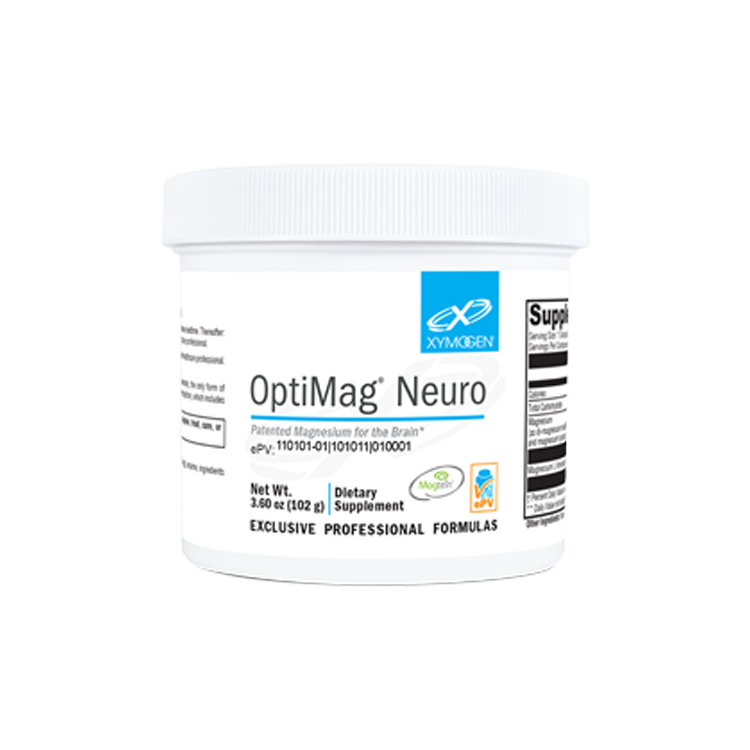
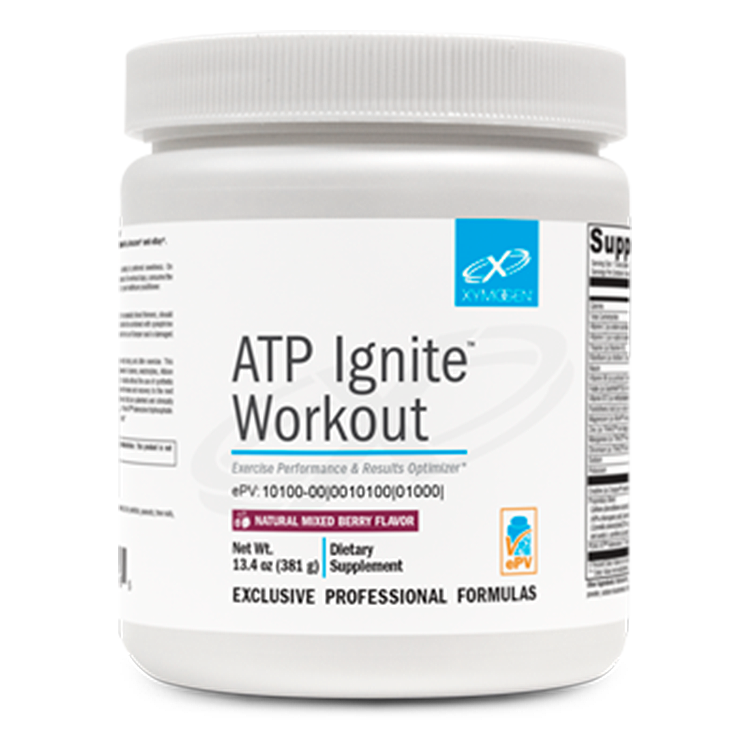
Dr. Elina’s Favorites
About Dr. Elina Health
Dr. Elina Health is a physician-led health education site built around the belief that patients deserve more information than a rushed appointment allows. The site features evidence-informed articles on energy, hormonal health, gut health, stress, sleep, brain function, and immunity, alongside a curated supplement collection of products Dr. Elina personally uses and recommends. The goal of Dr. Elina Health is to give people a trusted, medically grounded resource they can use, and recommendations for supplements that are actually helpful.


About Dr. Elina Cherynak
Dr. Elina Chernyak, DO, is a board-certified physician practicing in Clarkston, Washington, with specializations in family medicine, addiction medicine, and obesity medicine.
Dr. Elina approaches medicine through an integrative lens. She looks at the whole person: hormones, gut health, nutrition, lifestyle, and the underlying contributors.

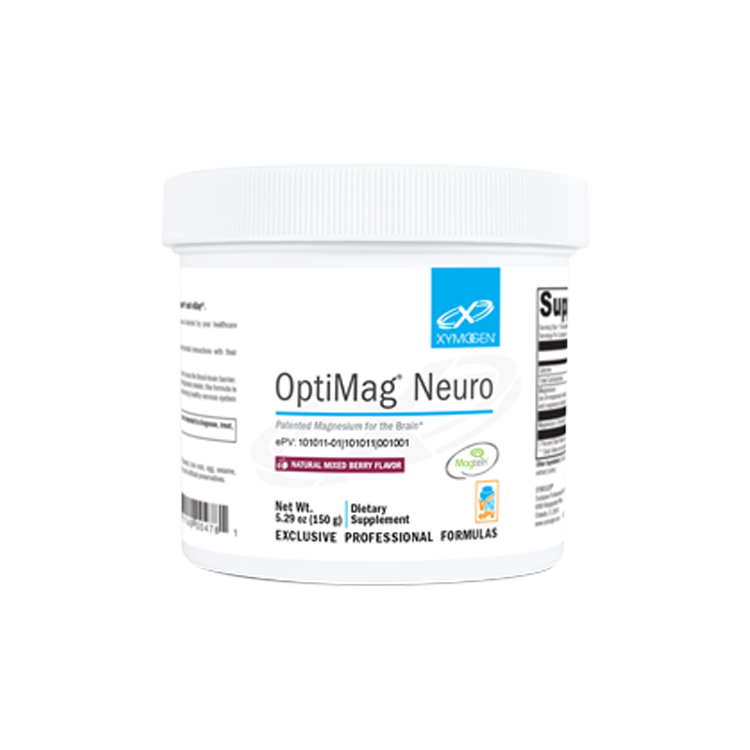
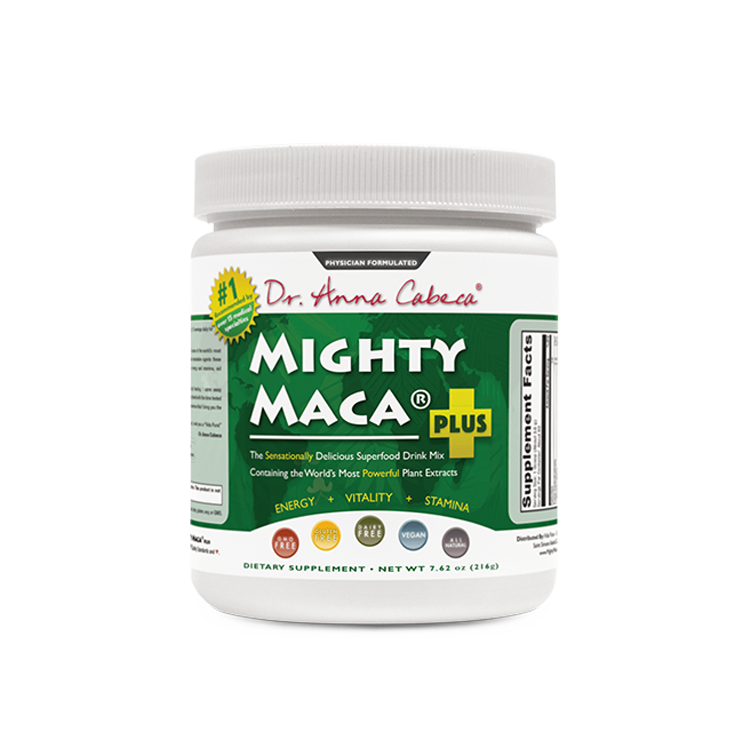
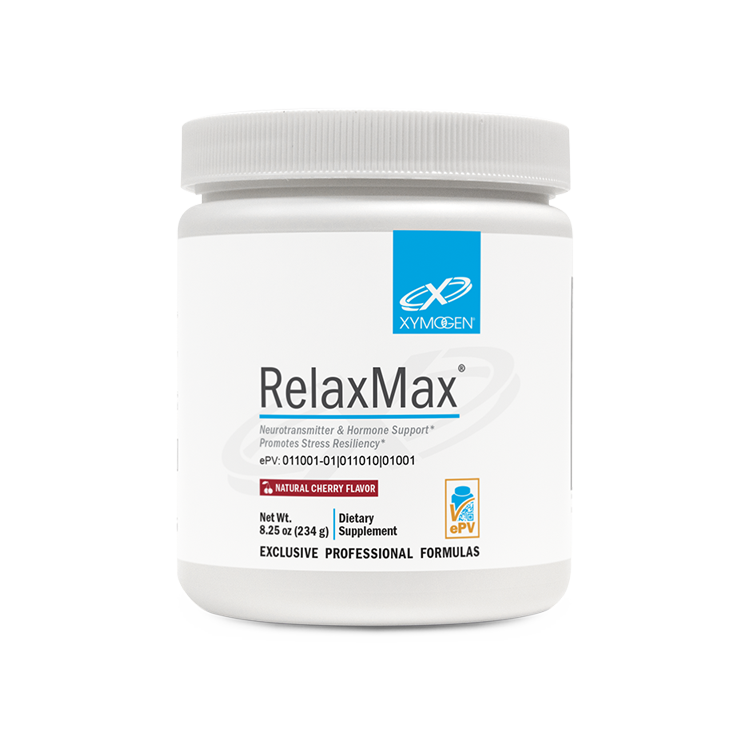
Supports relaxed mood. Supports neurotransmitter balance and neuronal stabilization.*